Understanding Market Volatility
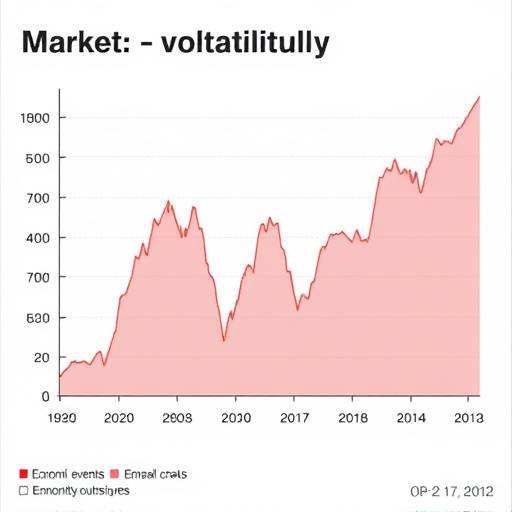
Market volatility is a measure of the rate and magnitude of price fluctuations in a financial market. It's a critical concept for traders and investors to grasp, as it directly impacts risk management and investment strategies. High volatility can present opportunities for substantial gains, but it also carries the risk of significant losses. Conversely, low volatility may indicate a period of stability, but can also precede unexpected market shifts.
Factors Influencing Volatility
Several factors can contribute to market volatility, making it a dynamic and often unpredictable phenomenon. These factors can be broadly categorized into economic, political, and psychological influences.
- Economic News and Data: Key economic indicators like GDP growth, inflation rates, unemployment figures, and interest rate decisions by central banks can trigger volatility. For example, a higher-than-expected inflation report might lead to speculation about interest rate hikes, causing a sell-off in the bond market and potentially impacting stock prices.
- Geopolitical Events: Political instability, international conflicts, trade wars, and policy changes can create uncertainty and fuel market volatility. The Brexit referendum, for instance, led to significant market swings as investors grappled with the potential economic consequences.
- Company-Specific News: Earnings announcements, mergers and acquisitions, product launches, and regulatory issues can all impact the price of individual stocks and contribute to overall market volatility. A negative earnings surprise from a major company can trigger a broader market decline.
- Investor Sentiment: Market psychology plays a significant role in volatility. Fear, greed, and herd behavior can amplify price swings. Social media and online forums can also contribute to rapid shifts in investor sentiment.
- Unexpected Events: Unforeseen events, such as natural disasters, pandemics (like the COVID-19 pandemic), or terrorist attacks, can cause sharp market corrections as investors reassess risk and future prospects.
Strategies for Managing Risk in Volatile Markets
Managing risk is paramount when navigating volatile markets. Here are some strategies that traders and investors can employ:
- Diversification: Spreading investments across different asset classes (stocks, bonds, commodities, real estate) and sectors can help mitigate risk. If one sector performs poorly, others may offset the losses.
- Stop-Loss Orders: Setting stop-loss orders can automatically sell a security if it falls below a predetermined price, limiting potential losses.
- Hedging: Using financial instruments like options or futures to offset potential losses in other investments. For example, buying put options on a stock can protect against a price decline.
- Position Sizing: Carefully determining the size of each investment based on risk tolerance and market conditions. Avoid putting too much capital into a single, high-risk trade.
- Staying Informed: Keeping abreast of market news, economic data, and geopolitical developments can help anticipate potential volatility and adjust investment strategies accordingly.
- Long-Term Perspective: Maintaining a long-term investment horizon can help weather short-term market fluctuations. Avoid making rash decisions based on fear or greed.
- Cash Reserve: Holding a cash reserve provides flexibility to buy undervalued assets during market downturns and reduces the need to sell investments at unfavorable prices.
Qtrade's Tools for Navigating Volatility
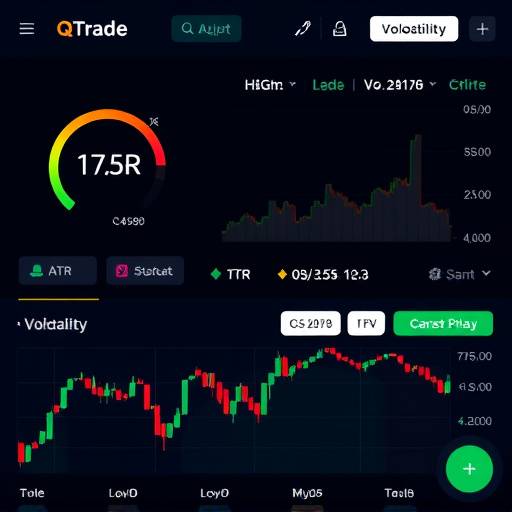
Qtrade provides a suite of tools designed to help our clients understand and manage market volatility effectively. These tools include:
- Volatility Alerts: Customizable alerts that notify you when market volatility reaches specific levels, allowing you to react promptly to changing conditions.
- Risk Assessment Tools: Portfolio analysis tools that assess the overall risk profile of your investments and identify potential vulnerabilities to volatility.
- Educational Resources: A library of articles, webinars, and tutorials on market volatility, risk management, and trading strategies. Our resources are curated by experienced financial analysts like Dr. Anya Sharma and Peter Chen.
- Advanced Charting: Sophisticated charting tools with volatility indicators like Average True Range (ATR) and Bollinger Bands to help you visualize and analyze market volatility.
- Algorithmic Trading Strategies: Access to pre-built algorithmic trading strategies designed to capitalize on volatility while managing risk. (See also: What is Algorithmic Trading? )
Conclusion
Understanding and managing market volatility is crucial for successful trading and investing. While volatility can be intimidating, it also presents opportunities for informed investors who are prepared to navigate the risks. By staying informed, employing appropriate risk management strategies, and utilizing the tools provided by platforms like Qtrade, you can effectively manage volatility and achieve your financial goals.
Contact Us
If you have any questions or need assistance with navigating market volatility, our team at Qtrade is here to help. Contact us using the information below:
- Address: 123 Financial District, Toronto, ON M5G 2C3, Canada
- Phone: +1 (416) 555-TRAD (8723)
- Email: support@qtradefinancial.ca